2018年11月12日 星期一
【Makebeliefscomix’s new feature: e-greeting cards】
這網站推過很多次, 有好幾款e-books 可以下載,
教學生創意寫作
(國小到大學都有適合的電子書, 除了可以印紙本,
更棒的是學生可以直接在電子書中打字).
另一個功能就是製作漫畫, 功能更新後,
從原先的三格漫畫變成了九格。
最近這幾個月又多了新功能,
就是學生或老師在做完漫畫後,
可以傳e-greeting cards, 目前總共有43 種可以選擇。
有的greetings card 就是一般的問候,
有的是針對節慶, 感恩節、聖誕節、復活節、新年….
之前分享過個功能, 但臉書有時候觸及率頗低,
所以再分享一次!
https://www.makebeliefscomix.com/Comix/
2018年7月5日 星期四
【Makebeliefscomix: foster creative thinking through creative writing tasks! 】
之前分享過這網站, 有免費電子書可以下載(教創意寫作可以用, 有的適合國小學生, 有的適合國中生, 也有的高中大學生可以用). 創辦人是美國籍的 Bill Zimmerman 老先生人很好, 把漫畫製作的功能擴增, 以前只能創作3 格漫畫, 現在可以免費製作9 格漫畫, 而且介面也變得很好用! 有華語老師看了我在中文教學臉書社團的分享, 結合課程, 在課堂上給學生做了這個任務型活動教學XD, 教英文的我們也可以試試看, 製作教學素材或是給寫作任務要求學生完成都很ok 呢
😍
😍
😍! 完成後填email, 就可以收到漫畫電子檔喔
😎
😎
😎!
Note: 如果有老師用過後覺得網站有需要改進的地方, 可以跟Bill先生反應, 我跟他通了好幾封email, 他很樂意請programmer 把網站改的更user-friendly 呢!
2018年4月15日 星期日
【Book Trailer Project Step-by-step Guide】
Source: https://englishteaching101.com/book-trailer-project/
"Book Trailer Project is a digital storytelling activity for middle school or high school students after they finish reading a book."
My opinion:
A very interesting activity that can be used to promote English reading, writing, and speaking skills!
"Book Trailer Project is a digital storytelling activity for middle school or high school students after they finish reading a book."
My opinion:
A very interesting activity that can be used to promote English reading, writing, and speaking skills!
2018年1月5日 星期五
【Makebeliefscomix: Free E-books for secondary and elementary school students!😍😍😍】
推薦一個E-book 網站, 讓學生寒假不無聊!
在家練英文寫作和創意思考! Makebeliefscomix.com
除了可以免費讓老師和學生製作英語小漫畫供教學使用,
這網站最棒之處是有十款免費的E-books 可供下載
✿當然, 若有老師願意sponsor 電子書的作者, 他會很開心的!
除了可以免費讓老師和學生製作英語小漫畫供教學使用,
這網站最棒之處是有十款免費的E-books 可供下載
✿當然, 若有老師願意sponsor 電子書的作者, 他會很開心的!
✿特色✿
1. 可列印也可存成PDF 檔,
學生可用電腦直接在E-book上打字, 打完存檔!
2. 每款適合不同年齡層的學生(程度分類僅供參考):
1. 可列印也可存成PDF 檔,
學生可用電腦直接在E-book上打字, 打完存檔!
2. 每款適合不同年齡層的學生(程度分類僅供參考):
✿Write What You Know! 適合高中生
✿ Plant Your Dream Seeds! 適合國中生
✿Pep Talks for When You Need Them 適合國高中生
✿A Book of Questions:
A Playful Journal to Keep Thoughts & Feelings
適合國高中生
✿Something To Write About 適合國高中生
(很多題目其實很像大學指考會出的題目,
但writing prompts 多了點創意!)
✿MakeBeliefsComix FILL-ins 適合國小和國中生
✿Words I Wish Someone Had Said to Me As a Kid
適合國小和國中生
✿MakeBeliefs to Spark Your Writing 適合國高中生
✿Hummingbird Joy: A Book of All the Things That Make You Happy 適合國中生
✿Laptop Letters: Sending Wise & Loving Messages to Young People in Your Life 適合高中生
✿ Plant Your Dream Seeds! 適合國中生
✿Pep Talks for When You Need Them 適合國高中生
✿A Book of Questions:
A Playful Journal to Keep Thoughts & Feelings
適合國高中生
✿Something To Write About 適合國高中生
(很多題目其實很像大學指考會出的題目,
但writing prompts 多了點創意!)
✿MakeBeliefsComix FILL-ins 適合國小和國中生
✿Words I Wish Someone Had Said to Me As a Kid
適合國小和國中生
✿MakeBeliefs to Spark Your Writing 適合國高中生
✿Hummingbird Joy: A Book of All the Things That Make You Happy 適合國中生
✿Laptop Letters: Sending Wise & Loving Messages to Young People in Your Life 適合高中生
2017年12月18日 星期一
【Pixton & Comic Strip Creator: Making comics DIY❤️】
Do you want to use comics in your teaching? Check out Pixton and Comic Strip Creator, which allow you to create comics for free!
Pixton提供您教材製作的新選擇,藉由簡易的操作模式,在頁面上選擇人物、場景、元素並輸入對話,就可快速完成一頁可愛又好看的對話漫畫了。不管是製作課程教材或是出作業讓學生自行製作對話,都能為您的課堂帶來新樂趣!
【Pixton網路版】:https://www.pixton.com/
【Pixton app版】:https://itunes.apple.com/…/app/pixton-comic-m…/id1000914010…
【Pixton google play 版】:https://play.google.com/store/apps/details?id=air.com.pixton.editor&hl=en
_______________________________________________________________________________
您還在為想製作簡易的課文圖文對話,卻苦無製作對話的數位工具而煩惱嗎? 那您一定要試試Comic Strip Creator。它提供了多元的人物選擇,您僅須選定對話人物、輸入對話文字,即可快速完成可愛又有趣的漫畫對話囉!
https://itunes.apple.com/us/app/comic-strip-creator/id1007374503?mt=8
Source: from 全球華文網
Pixton提供您教材製作的新選擇,藉由簡易的操作模式,在頁面上選擇人物、場景、元素並輸入對話,就可快速完成一頁可愛又好看的對話漫畫了。不管是製作課程教材或是出作業讓學生自行製作對話,都能為您的課堂帶來新樂趣!
【Pixton網路版】:https://www.pixton.com/
【Pixton app版】:https://itunes.apple.com/…/app/pixton-comic-m…/id1000914010…
【Pixton google play 版】:https://play.google.com/store/apps/details?id=air.com.pixton.editor&hl=en
_______________________________________________________________________________
您還在為想製作簡易的課文圖文對話,卻苦無製作對話的數位工具而煩惱嗎? 那您一定要試試Comic Strip Creator。它提供了多元的人物選擇,您僅須選定對話人物、輸入對話文字,即可快速完成可愛又有趣的漫畫對話囉!
https://itunes.apple.com/us/app/comic-strip-creator/id1007374503?mt=8
Source: from 全球華文網
2017年7月24日 星期一
【Social Media Posts as Exemplars】
Source: https://www.edutopia.org/blog/social-media-posts-exemplars-marissa-king
Social Media Posts as Exemplars
Text messages and Instagram captions can be valuable samples for teaching tone, writing conventions, and levels of formality.
By Marissa King
July 21, 2017
Our students spend a lot of time tweeting, composing Instagram captions, and text messaging. In the process, they are carefully observing and decoding the subtleties of social media text. They know when it’s cool to replace “yes” with “yas” and how to turn a common courtesy into a sarcastic “thanksss” with just a few extra letters.
Even if internet-fueled trends like the popularity of ellipses drive you crazy, embracing social media writing still offers exciting possibilities. Our students are fluent in the language of pop culture. They spend hours of their free time writing and analyzing social media text. Instead of viewing such writing as a deficit, let’s leverage the thinking that students are already doing when they write a text or engage in social media.
Language Patterns
The changing norms of social media writing don’t match standard classroom English expectations, but they do follow patterns of language development. For example, you may have noticed that many students are leaving the period off the end of their text messages. The lack of punctuation may seem sloppy or haphazard to an unaware reader, but the missing period carries meaning. Many digital natives interpret the use of a period at the end of a text message as angry, overly formal, or an abrupt end to a conversation. Even if students can’t tell you exactly why they didn’t include a period, they can probably detect a difference in tone.
A missing period at the end of a sentence might make teachers cringe, but it’s a real-life example of how readers and writers develop a shared understanding of what conventions mean and how language works in patterns. When we help students analyze this trend or others, like multiple exclamation points or the use of slashes, we’re helping them analyze patterns that they use instinctively—and they can apply that kind of analysis in other, more formal contexts.
To get students to translate their knowledge of social media writing to the classroom, have students make lists of the ways that a particular convention is used in texting or tweeting. If they find multiple tweets that include periods to emphasize a point by punctuating every. single. word., they can correctly conclude that the period is being used for emphasis. Then, do the same activity with standard English examples. The comparison will provide plenty of fodder for discussing convention expectations in different writing contexts. By building on what they already know, students will be even more effective at analyzing classroom writing expectations.
Social Media Code-Switching
Of course, it’s not enough just to analyze grammar. Good writers move seamlessly between writing at all levels of formality. The breezy language of an email to a friend is different from the more formal language required for a grant application. But developing writers often need specific support to code-switch between the informal language of social media or text messaging and the formal language required for school research reports.
Instead of banishing the writing students use most often, use it to help them identify the kinds of writing that a given context calls for. For example, students have no trouble identifying the different writing demands of texting their friends versus texting their parents, but they might not be able to dissect the exact ways that their writing changes between these two contexts. Consider making lists that compare informal and formal writing. Or spend a bit of class time finding examples of how writers show emotion or sincerity differently depending on the context.
Kristen Hawley Turner suggests using Flip the Switch, an activity where students translate sentences from one context to another. Students might figure out how a greeting, for example, changes between an email to a boss, a text message to a bestie, and an introductory letter to a new teacher. Acknowledging the validity of each context helps students translate their writing into the most appropriate form instead of writing off the informality of social media altogether.
Texting and social media writing aren’t going away anytime soon. Linguist John McWhorter suggests viewing the changes as an “expansion of [young people’s] linguistic repertoire.” The changing, informal conventions of social media aren’t a challenge to standard classroom English—they’re an opportunity.
2017年3月19日 星期日
【Storybird: Digital Storytelling, 練習英文寫作的好工具 !】
相信想進行數位說故事(Digital storytelling) 的老師常遇到的困難
就是害怕科技不好用, 訓練學生要花很多時間.
但我很推薦這個Storybird 的網站,
學生可以在很多不同的模板(圖片組合)中選定想要的模板,
這樣在創作故事的時候, 就不用同時要自己畫圖,
又要用英文表達想創作的故事
(BTW, 圖案都超漂亮的, 女生們應該會尤其喜歡這樣的作業XD)
學生可以單獨創作, 老師也可以讓學生進行小組合作~
註冊方便, 可以辦老師帳號來掌握學生創作的進度並評量學生的作品.
學生作品完成後, 可以選擇是否公開或是只有學生本人和老師才能觀看.
可以分享到社群網站, 還可以下載成PDF 檔,
也可以製作成一本書 (沒錯! 就是像圖書館架上的繪本書!!! 須付費~)
Storybird 絕對是個能夠讓學生進行authentic task 的好工具
就是害怕科技不好用, 訓練學生要花很多時間.
但我很推薦這個Storybird 的網站,
學生可以在很多不同的模板(圖片組合)中選定想要的模板,
這樣在創作故事的時候, 就不用同時要自己畫圖,
又要用英文表達想創作的故事
(BTW, 圖案都超漂亮的, 女生們應該會尤其喜歡這樣的作業XD)
學生可以單獨創作, 老師也可以讓學生進行小組合作~
註冊方便, 可以辦老師帳號來掌握學生創作的進度並評量學生的作品.
學生作品完成後, 可以選擇是否公開或是只有學生本人和老師才能觀看.
可以分享到社群網站, 還可以下載成PDF 檔,
也可以製作成一本書 (沒錯! 就是像圖書館架上的繪本書!!! 須付費~)
Storybird 絕對是個能夠讓學生進行authentic task 的好工具
✿ 研究&實務:
根據英語教學相關研究,
當學生知道自己在網路上的作品會有更多人觀看時,
就會有authentic audience 的概念,
會有動機想把作品做好, 也會覺得這個task 能跟真實生活連結!
根據英語教學相關研究,
當學生知道自己在網路上的作品會有更多人觀看時,
就會有authentic audience 的概念,
會有動機想把作品做好, 也會覺得這個task 能跟真實生活連結!
✿作品範例:
兩位學生不約而同選擇同個模板 (雖然有很多模板可以選擇)
1. http://storybird.com/books/drc-his-monsters/
2. https://storybird.com/books/the-lazy-boy-29/?token=mzzfk7342q
兩位學生不約而同選擇同個模板 (雖然有很多模板可以選擇)
1. http://storybird.com/books/drc-his-monsters/
2. https://storybird.com/books/the-lazy-boy-29/?token=mzzfk7342q
✿ 分享: 我另外做了一個針對 storybird storytelling task
的peer review/ evaluation sheet (英文版, 有兩頁), 給學生互評~
有興趣參考/索取的老師公開分享此篇貼文後可以FB 私訊我喔!

的peer review/ evaluation sheet (英文版, 有兩頁), 給學生互評~
有興趣參考/索取的老師公開分享此篇貼文後可以FB 私訊我喔!

2017年2月18日 星期六
【翻玩教學遊戲】
http://www.cet-taiwan.com/DrCET/detail.asp?serno=1046
(4)課文漫畫改寫
每個版本的教科書都會有書商附的教科書光碟,光碟中有各課的圖檔,方便教師出考卷用。其中空白的課文圖檔就很實用,我將它製作成學習單供學生自由創作,批改後再將優秀作品投稿校刊(這也是提升學生創作動機的誘餌),並放到班網及公佈欄上供大家觀摩。有些學生真的很有創意,將故事改編得很有趣。
(5)五分鐘自由書寫
在〈國小三年級的英文自由書寫活動之意義與價值〉一文有提到,學生在沒有壓力之下,在紙上顯示所學,透過作品觀摩,將有助於孩子的讀寫能力,亦有助於聽說的發展(張芳琪、張淑儀、李婉容,2015)。其做法如下:
★ 所需教具:一人一張白紙。
★ 作法:學生闔起書本,教師發下白紙,讓學生自由書寫英文。
★ 計分:不批改、不計分、作品不發回。
★ 注意:將收回的作品分類(低/中/高階),在各類中挑選幾張代表性的作品,下堂課投影給全班觀摩。在觀摩的過程中給予 i+1 學習理論的鷹架引導,稱讚其優點、提供其下一個可進步的目標(如:從單字到完整句子),並提醒錯誤(如:拼字、句法等),此過程讓學習變得個人化更具意義,老師也更瞭解學生程度及發展。
翻玩教學遊戲
2017/1/25 分類:教學實務 作者:張琬琦 (Moji) 點閱次數:1951
國小英語課堂著重在聽、說、讀的能力培養,對於「寫」則是較少著墨。對於我這種靠寫來增進自身能力的人,非常能理解「寫」在某些人的學習中扮演重要的角色。然而,在國小課堂裡,一週只有兩節英語課,要如何提升學生的寫作能力呢?
一、拼讀成字,字字成句
當孩子 phonics 的運用純熟,聽到生字時要拼出來就很容易。但從單字到句子,一個很大的關鍵就是「造句」,而這種能力的養成,必須要靠教師提供「多元的」示範(並非只以單元課文的句型來造句),大量給予「真實的」語言輸入(貼切生活經驗才是真實)。
教授單字時,切勿只唸出閃卡上的單字,而要「描述此字」、「換句話說」、或「詢問經驗」。如,以 park 這個字為例:描述此字─I see trees and flowers in the park.、I see dogs and cats in the park.;換句話說—I sleep in the park.、I don’t take a shower in the park.;詢問經驗—There’re many parks in Chiayi, such as 中山 park, 中正 park, …,此時停頓等學生舉出更多例子,他們就能輕易記住 park 的字義。
「聊」完這個單字之後,接著開放讓學生口頭造句,有些學生會出現「中式英文」,這是非常令人振奮的現象,因為這表示學生有自己想描述的句子,他們正努力地從中文翻譯過來。此時老師只要再 rephrase 提供正確的句子即可。
二、造句遊戲
我最常使用的兩個造句遊戲是 Unscramble 與 Race to the top。這兩個遊戲的玩法在網上都可以找到,Unscramble 更是傳統古老遊戲,只是我讓這個遊戲多了點變化。
(1)Unscramble
★ 所需教具:unscramble 的題目數題 (ppt)、各組一個小白板
★ 玩法:老師先指定答題的寫手,各組學生看完題目後,寫手將答案寫在小白板上並貼到黑板。同組其他成員可以協助討論,但不可協助書寫。
★ 計分:限時內交出正確答案的小組皆可加分。
★ 注意:此遊戲不比速度而是看正確度,如此可避免學生狂奔出來貼答案。
★ 提醒:本活動重點在於答案檢討,老師可以提醒:句子開頭要大寫、結尾要有標點符號、排列順序為「人+動作+地點」等,活動的同時也學到詞性與文法。
(2)Race to the top
★ 所需教具:各組一張學習單、各組一個骰子
★ 玩法:此遊戲即為「攻頂任務」,小組合作從底部向上移動。組內玩家輪流擲骰子,依擲出點數向上移動一格,並做出遊戲格中的指令。
★ 計分:時限內,攻頂越多骰子點數者獲勝。
★ 注意:由於其中一項指令為「造句」,在課堂上口頭造句後,讓學生嘗試「書寫」句子在學習單上,可謂學以致用。
(3)個人化傳單
原本是想讓學生製作「個人化名片」,但名片實在太小,無法讓老師我進行身家調查,因此才改成「個人化傳單」。我改編網路上 Ms. Jocelyn 的課堂活動,讓學生製作一張個人化的傳單,其中包括自我介紹、父母職業、及父母與自己的興趣與專長。製作過程中,學生通常會不斷詢問某職業、某興趣或某活動該怎麼說,這些不就是最佳的生活英語嗎?成品不是只有布置教室而已,還可以玩猜猜我是誰、當抽籤工具、更可以寄給國外的筆友,很有誠意吧!
一、拼讀成字,字字成句
當孩子 phonics 的運用純熟,聽到生字時要拼出來就很容易。但從單字到句子,一個很大的關鍵就是「造句」,而這種能力的養成,必須要靠教師提供「多元的」示範(並非只以單元課文的句型來造句),大量給予「真實的」語言輸入(貼切生活經驗才是真實)。
教授單字時,切勿只唸出閃卡上的單字,而要「描述此字」、「換句話說」、或「詢問經驗」。如,以 park 這個字為例:描述此字─I see trees and flowers in the park.、I see dogs and cats in the park.;換句話說—I sleep in the park.、I don’t take a shower in the park.;詢問經驗—There’re many parks in Chiayi, such as 中山 park, 中正 park, …,此時停頓等學生舉出更多例子,他們就能輕易記住 park 的字義。
「聊」完這個單字之後,接著開放讓學生口頭造句,有些學生會出現「中式英文」,這是非常令人振奮的現象,因為這表示學生有自己想描述的句子,他們正努力地從中文翻譯過來。此時老師只要再 rephrase 提供正確的句子即可。
二、造句遊戲
我最常使用的兩個造句遊戲是 Unscramble 與 Race to the top。這兩個遊戲的玩法在網上都可以找到,Unscramble 更是傳統古老遊戲,只是我讓這個遊戲多了點變化。
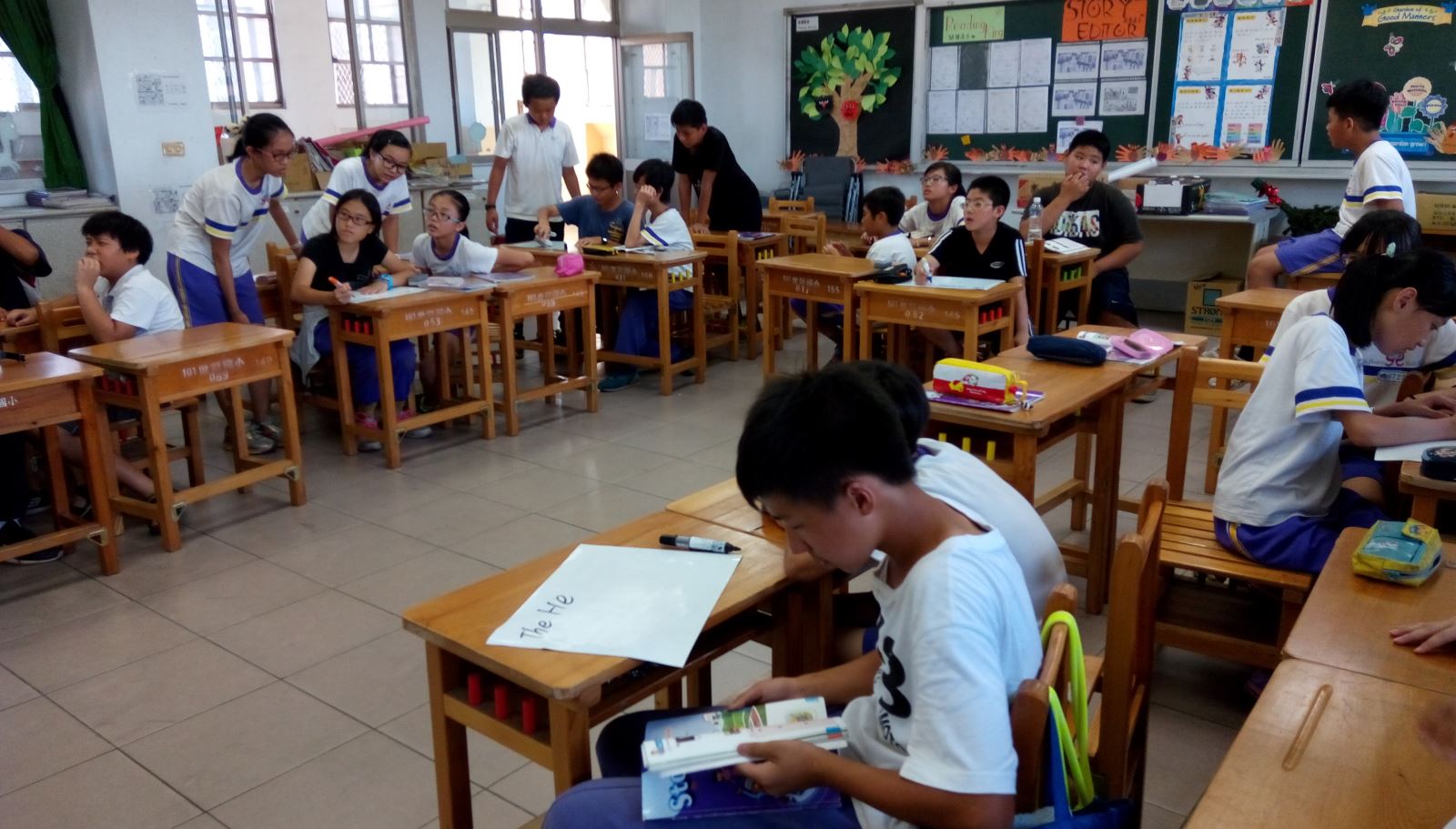
(1)Unscramble
★ 所需教具:unscramble 的題目數題 (ppt)、各組一個小白板★ 玩法:老師先指定答題的寫手,各組學生看完題目後,寫手將答案寫在小白板上並貼到黑板。同組其他成員可以協助討論,但不可協助書寫。
★ 計分:限時內交出正確答案的小組皆可加分。
★ 注意:此遊戲不比速度而是看正確度,如此可避免學生狂奔出來貼答案。
★ 提醒:本活動重點在於答案檢討,老師可以提醒:句子開頭要大寫、結尾要有標點符號、排列順序為「人+動作+地點」等,活動的同時也學到詞性與文法。
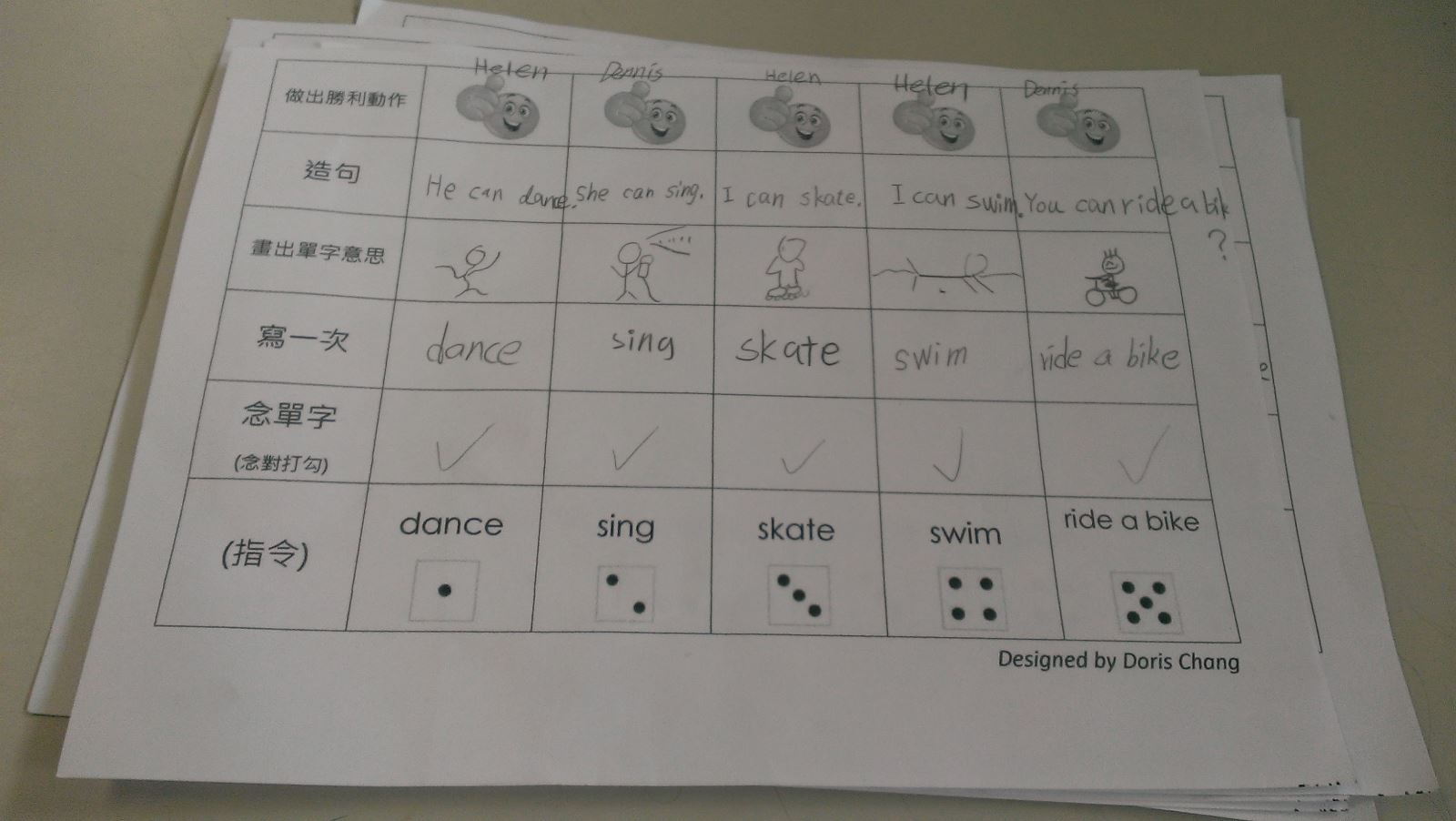
(2)Race to the top
★ 所需教具:各組一張學習單、各組一個骰子★ 玩法:此遊戲即為「攻頂任務」,小組合作從底部向上移動。組內玩家輪流擲骰子,依擲出點數向上移動一格,並做出遊戲格中的指令。
★ 計分:時限內,攻頂越多骰子點數者獲勝。
★ 注意:由於其中一項指令為「造句」,在課堂上口頭造句後,讓學生嘗試「書寫」句子在學習單上,可謂學以致用。
(3)個人化傳單
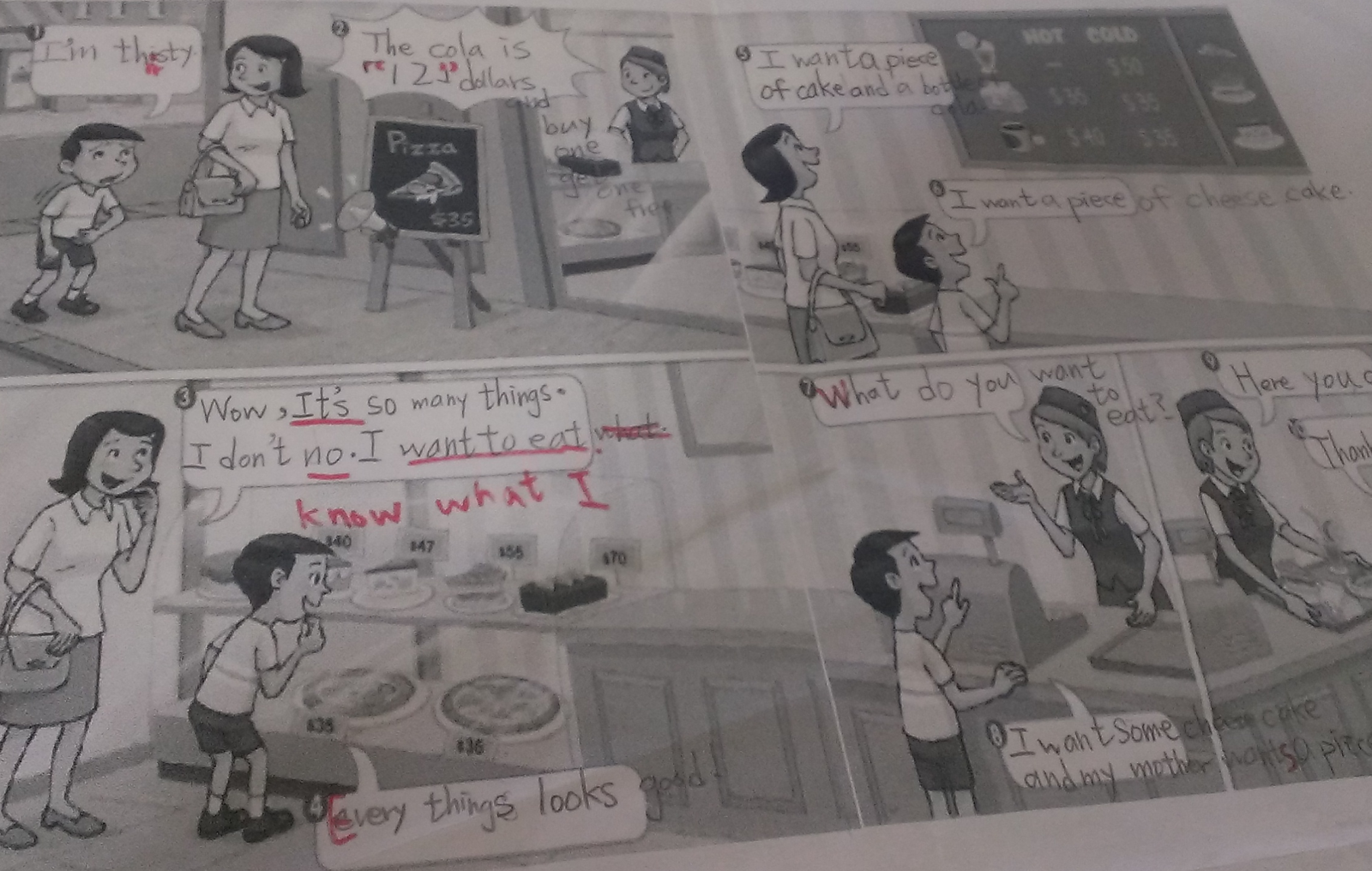
原本是想讓學生製作「個人化名片」,但名片實在太小,無法讓老師我進行身家調查,因此才改成「個人化傳單」。我改編網路上 Ms. Jocelyn 的課堂活動,讓學生製作一張個人化的傳單,其中包括自我介紹、父母職業、及父母與自己的興趣與專長。製作過程中,學生通常會不斷詢問某職業、某興趣或某活動該怎麼說,這些不就是最佳的生活英語嗎?成品不是只有布置教室而已,還可以玩猜猜我是誰、當抽籤工具、更可以寄給國外的筆友,很有誠意吧!(4)課文漫畫改寫
每個版本的教科書都會有書商附的教科書光碟,光碟中有各課的圖檔,方便教師出考卷用。其中空白的課文圖檔就很實用,我將它製作成學習單供學生自由創作,批改後再將優秀作品投稿校刊(這也是提升學生創作動機的誘餌),並放到班網及公佈欄上供大家觀摩。有些學生真的很有創意,將故事改編得很有趣。(5)五分鐘自由書寫
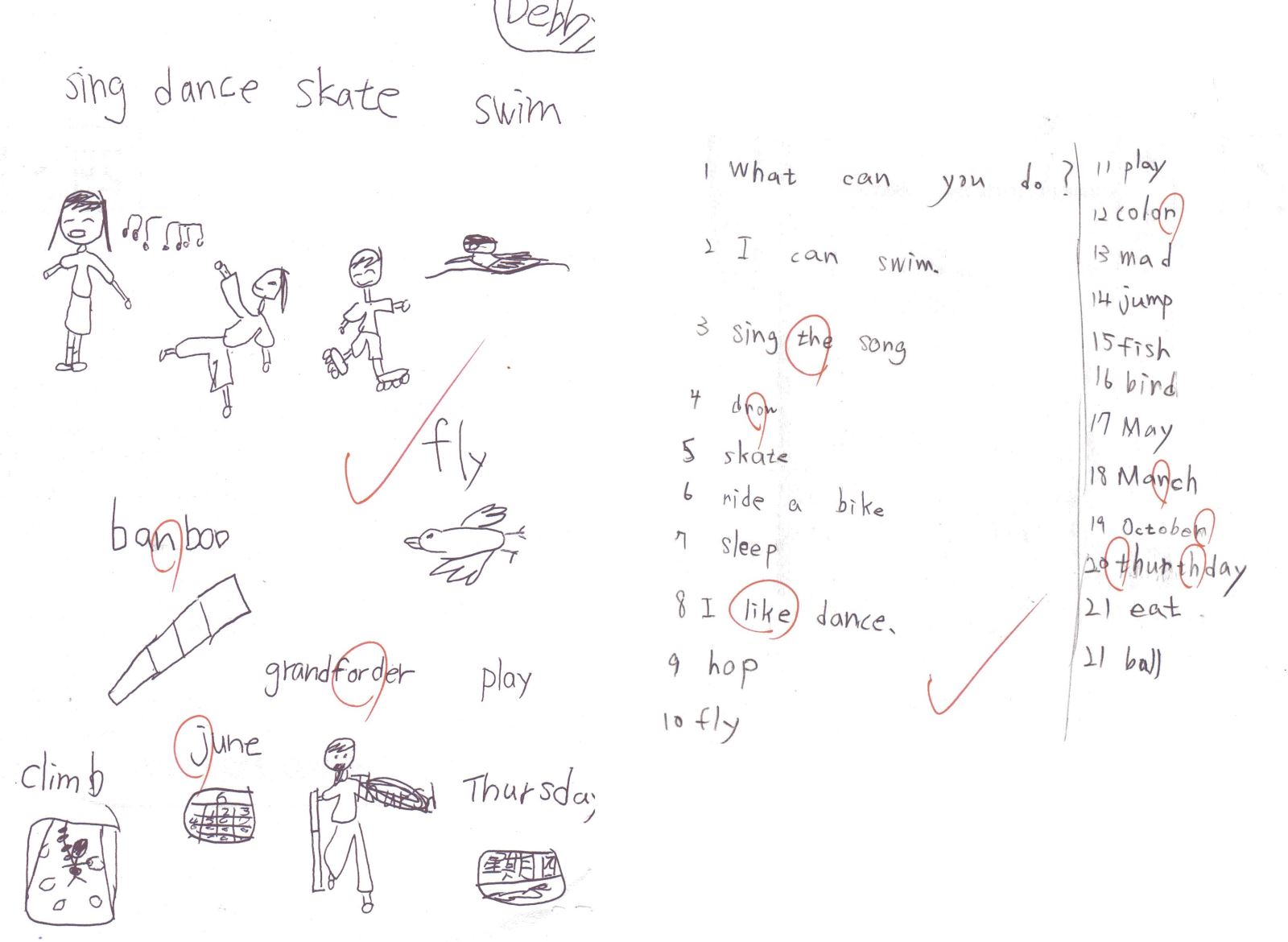
在〈國小三年級的英文自由書寫活動之意義與價值〉一文有提到,學生在沒有壓力之下,在紙上顯示所學,透過作品觀摩,將有助於孩子的讀寫能力,亦有助於聽說的發展(張芳琪、張淑儀、李婉容,2015)。其做法如下:★ 所需教具:一人一張白紙。
★ 作法:學生闔起書本,教師發下白紙,讓學生自由書寫英文。
★ 計分:不批改、不計分、作品不發回。
★ 注意:將收回的作品分類(低/中/高階),在各類中挑選幾張代表性的作品,下堂課投影給全班觀摩。在觀摩的過程中給予 i+1 學習理論的鷹架引導,稱讚其優點、提供其下一個可進步的目標(如:從單字到完整句子),並提醒錯誤(如:拼字、句法等),此過程讓學習變得個人化更具意義,老師也更瞭解學生程度及發展。
「寫」是依自己學習速度前進的最佳活動之一,且能留下足跡,看見自己的進步。在網路發達的時代,「寫」也讓世界看得到自己。您的寫作培養活動是什麼呢?歡迎您與我分享!
2016年10月19日 星期三
【ToonyTool.com: Online Cartoon Maker】
剛發現一個製作cartoon的好站~叫ToonyTool
(http://www.toonytool.com/)
可以讓老師們免費且很容易的製作cartoon
除了選擇背景, 還可以安插角色, 文字和對話框框
背景和角色還可以使用自己上傳的圖片
設計完成後, 可以下載成jpg 檔, 也可以email 或share 到
social media ! Highly recommend
:) !!!
適合老師製作教具, 也可以設計相關學習活動
可以讓老師們免費且很容易的製作cartoon
除了選擇背景, 還可以安插角色, 文字和對話框框
背景和角色還可以使用自己上傳的圖片
設計完成後, 可以下載成jpg 檔, 也可以email 或share 到
social media ! Highly recommend
適合老師製作教具, 也可以設計相關學習活動
但若想製作漫畫 (四格, 兩格或各種形式的漫畫,
我另外推薦Toondoo (http://www.toondoo.com/)
或Make Beliefs Comix (http://www.makebeliefscomix.com/)
端看老師們教學需求~
我另外推薦Toondoo (http://www.toondoo.com/)
或Make Beliefs Comix (http://www.makebeliefscomix.com/)
端看老師們教學需求~
Note: Make Beliefs Comix 很貼心, 建議老師們25 種可以將他們的漫畫融入在課室中的方法, 創意教學不是夢!
2016年8月29日 星期一
2016年7月12日 星期二
【Video Dubbing Task: Practice Speaking & Writing 練習英語口語和寫作】
✿ 教學步驟
1. 要學生看影片 (無文字只有音效) 看幾遍
2. 學生回家擬稿, 可以先是擬比較完整的影片情節
3. 老師批改學生稿子中的文法錯誤和提供建議
4. 學生改正, 並將稿子修正成為可以和影片速度同步進行的長度
(唸稿速度配得上影片速度)
5. 學生試唸兩次稿子, 熟了後即可開始用手機錄音
6. 將錄完音的檔案和影片放入 WeVideo 編輯( 將兩者混和在同一影片)
(default 選新手, 網站會自動設計懶人包的編輯, 摸一下就會知道如何編輯嘞!)
7. 成品大功告成~~~ 學生覺得很有趣 XD
✿ 教學建議
** Video Dubbing Task 的簡單版就是若學生程度沒那麼好, 可以找有聲的影片, 先讓學
生聽影片內容, 並提供稿子給學生, 讓學生做閱讀, 發音和口語練習. 老師之後將原影片的聲音
去除, 並要學生照稿子錄音, 之後做成影片. 類似讀者劇場的概念!
**分組合作學習很適合, 也可減輕老師批改文稿和觀看影片的負擔!
**建議影片不要找太長的, 大約2-3 分鐘, 畢竟這活動有點耗時!
**這活動的benefits 是有實證研究, 請見: https://calico.org/html/article_132.pdf
✿ 教學配件
** 不得不推WeVideo 啊! 可用FB/ Google/ Yahoo 帳號 log in.
或是自己create 一帳號, 一個帳號可以免費出版 2 分鐘影片/ 月
影片出版可以選要公開或是只限本人或share 的幾人看!
** WeVideo 除了可加入聲音檔, 要在影片上加字幕 (caption) 也okay 喔!
WeVideo: Free online video editor & maker
(https://www.wevideo.com/)
✿ 學生成品
範例1: https://www.wevideo.com/view/665443241
範例2: https://www.wevideo.com/view/721642314
✿範例1 學生寫的稿子
【Easy Life】
In the dark night, Jessie is studying, and she feels tired. She yawns and sleeps on the desk. Then, the elf of the pen is called Hebe suddenly moves up and writes Jessie’s HW. In the morning, Jessie wakes up and sees Hebe is writing her HW. She is very surprised.
She says “Oh! You finished all of my HW?”
Hebe just smiles and doesn’t reply.
Jessie is very happy, and all of the answers are correct. Then, the school bus comes, and Jessie catches the school bus.
After Jessie comes back home, she shows her report card to Hebe. The report card shows A Plus for all the school subjects.
Jessie says” Thanks so much, I got A Plus on all of the subjects! Can you continue helping me to write my HW?”
Hebe answers” Of course! I’m happy to see you got a good grade. Let me help you to win more prices!”
“Okay, then I’m going to play my video games. Thanks a lot!” Jessie replies.
Hebe finishes the HW very quickly, and Hebe grows up a little. Jessie gently touches Hebe’s head and says “Good Job! Hebe.”
After that, Hebe always helps Jessie write her HW, and Jessie is always playing her video games. Because Hebe writes Jessie’s HW every day, her body is growing bigger and bigger.
One day, Jessie gets an award of “Excellent Progress Student” She never gets this kind of award, and she is extremely excited about this achievement. But when she gets the award, Hebe becomes as large as Jessie, and Jessie doesn’t care because she just wants Hebe to write her HW every day.
Another morning, Hebe wakes Jessie up. Jessie sees Hebe take her school bag.
Jessie says “Wow! You want to go to school? Then I can stay at home! How great it is.”
Hebe gives the video games to Jessie and says “Yes, I’m going to school. Have fun at home!”
But the strange thing happens, Jessie’s hands starting become small and so does her body. Jessie realizes it and shouts, “Oh…I’m so stupid. That’s my retribution!” Then, Jessie becomes a pen, and Hebe goes to the school instead of Jessie…
From this short film, we can know that if we don’t work hard, bad things will happen to us. Also, if we work hard all the time, one day we will succeed and lead a great life. It is common wisdom, and everyone should follow it because that’s the only way to achieve your goal. All in all, we should never give up, and always work hard!
1. 要學生看影片 (無文字只有音效) 看幾遍
2. 學生回家擬稿, 可以先是擬比較完整的影片情節
3. 老師批改學生稿子中的文法錯誤和提供建議
4. 學生改正, 並將稿子修正成為可以和影片速度同步進行的長度
(唸稿速度配得上影片速度)
5. 學生試唸兩次稿子, 熟了後即可開始用手機錄音
6. 將錄完音的檔案和影片放入 WeVideo 編輯( 將兩者混和在同一影片)
(default 選新手, 網站會自動設計懶人包的編輯, 摸一下就會知道如何編輯嘞!)
7. 成品大功告成~~~ 學生覺得很有趣 XD
✿ 教學建議
** Video Dubbing Task 的簡單版就是若學生程度沒那麼好, 可以找有聲的影片, 先讓學
生聽影片內容, 並提供稿子給學生, 讓學生做閱讀, 發音和口語練習. 老師之後將原影片的聲音
去除, 並要學生照稿子錄音, 之後做成影片. 類似讀者劇場的概念!
**分組合作學習很適合, 也可減輕老師批改文稿和觀看影片的負擔!
**建議影片不要找太長的, 大約2-3 分鐘, 畢竟這活動有點耗時!
**這活動的benefits 是有實證研究, 請見: https://calico.org/html/article_132.pdf
✿ 教學配件
或是自己create 一帳號, 一個帳號可以免費出版 2 分鐘影片/ 月
影片出版可以選要公開或是只限本人或share 的幾人看!
** WeVideo 除了可加入聲音檔, 要在影片上加字幕 (caption) 也okay 喔!
WeVideo: Free online video editor & maker
(https://www.wevideo.com/)
✿ 學生成品
範例1: https://www.wevideo.com/view/665443241
範例2: https://www.wevideo.com/view/721642314
✿範例1 學生寫的稿子
【Easy Life】
In the dark night, Jessie is studying, and she feels tired. She yawns and sleeps on the desk. Then, the elf of the pen is called Hebe suddenly moves up and writes Jessie’s HW. In the morning, Jessie wakes up and sees Hebe is writing her HW. She is very surprised.
She says “Oh! You finished all of my HW?”
Hebe just smiles and doesn’t reply.
Jessie is very happy, and all of the answers are correct. Then, the school bus comes, and Jessie catches the school bus.
After Jessie comes back home, she shows her report card to Hebe. The report card shows A Plus for all the school subjects.
Jessie says” Thanks so much, I got A Plus on all of the subjects! Can you continue helping me to write my HW?”
Hebe answers” Of course! I’m happy to see you got a good grade. Let me help you to win more prices!”
“Okay, then I’m going to play my video games. Thanks a lot!” Jessie replies.
Hebe finishes the HW very quickly, and Hebe grows up a little. Jessie gently touches Hebe’s head and says “Good Job! Hebe.”
After that, Hebe always helps Jessie write her HW, and Jessie is always playing her video games. Because Hebe writes Jessie’s HW every day, her body is growing bigger and bigger.
One day, Jessie gets an award of “Excellent Progress Student” She never gets this kind of award, and she is extremely excited about this achievement. But when she gets the award, Hebe becomes as large as Jessie, and Jessie doesn’t care because she just wants Hebe to write her HW every day.
Another morning, Hebe wakes Jessie up. Jessie sees Hebe take her school bag.
Jessie says “Wow! You want to go to school? Then I can stay at home! How great it is.”
Hebe gives the video games to Jessie and says “Yes, I’m going to school. Have fun at home!”
But the strange thing happens, Jessie’s hands starting become small and so does her body. Jessie realizes it and shouts, “Oh…I’m so stupid. That’s my retribution!” Then, Jessie becomes a pen, and Hebe goes to the school instead of Jessie…
From this short film, we can know that if we don’t work hard, bad things will happen to us. Also, if we work hard all the time, one day we will succeed and lead a great life. It is common wisdom, and everyone should follow it because that’s the only way to achieve your goal. All in all, we should never give up, and always work hard!
2016年6月25日 星期六
【高職英文教學I :文學小圈圈/ Literature Circle for ELT in a Taiwanese vocational high school】
Cerita 老師分享:
Unit 7 It's Well Made in Taiwan 文學圈活動
參考Fortuna老師的Literature Circle進行模式,
我也嘗試在自己的高職班級實驗看看。
這課主要介紹台灣之光張連昌(帶起后里saxophone的風潮)及劉金標(Giant品牌的創始人)
參考Fortuna老師的Literature Circle進行模式,
我也嘗試在自己的高職班級實驗看看。
這課主要介紹台灣之光張連昌(帶起后里saxophone的風潮)及劉金標(Giant品牌的創始人)
進行方式:
1.全班分8組
2.每組進行任務分配:
討論大師,句子大師,插畫大師,摘要大師
3.討論大師問組員6個問題,組員寫下並回答(可3題中文)
4.句子大師根據老師指派的句型挑選句子並唸給組員聽
5.插畫大師根據印象最深刻的句子畫圖並分享
(學生畫的saxophone 真好看!)
6.摘要大師寫下課文摘要並帶組員寫下來
1.全班分8組
2.每組進行任務分配:
討論大師,句子大師,插畫大師,摘要大師
3.討論大師問組員6個問題,組員寫下並回答(可3題中文)
4.句子大師根據老師指派的句型挑選句子並唸給組員聽
5.插畫大師根據印象最深刻的句子畫圖並分享
(學生畫的saxophone 真好看!)
6.摘要大師寫下課文摘要並帶組員寫下來
教學過程:
討論大師及摘要大師會問很多英文句子的問題,老師需隨時接招。然透過這個活動,程度好的學生更有學習的動力。程度落後的學生在討論問題的過程中也享受參與的樂趣。
老師不時游走各組,根據學生的角色進行加扣分,學生看到老師來評分了,都會很努力扮演好自己的角色,這樣的學習,可促使愛偷看小說的少數學生不敢怠慢,以免自己這個角色被評零分,而愛睡覺的學生因為討論也不想睡了,整個學習可同時兼顧聽說讀寫,是很值得推薦的活動哦!


2016年6月23日 星期四
【英語旅遊日記: Travel Journals】
source: 陸芸老師分享
【旅遊準備Part 2-旅遊日記】出遊時總希望孩子對於旅遊有更深刻的體會(而不侷限在吃吃喝喝),這時鼓勵孩子寫旅遊日記就是好方法(即使是簡單的幾句)。
這二天整理出門旅遊時可列印使用的日記或app☀️⛅️🌍🚣
(1) 旅遊日記(出自we3travel網站) https://drive.google.com/…/0B1Xh8HPMdoxPNkpZMzBZMW9KZE0/edit
(2) 共38頁的旅行小書,含旅遊前計劃+14天旅遊日記+旅遊後心得 (出自tlsbooks網站)http://www.tlsbooks.com/pdf/myvacationjournal.pdf
(3) Private journey(可輕鬆加入照片,心情小圖和音樂的免費app):https://itunes.apple.com/TW/app/id389289011?mt=8
(4) Day One app(可加入照片和地圖,還可備份或PDF輸出的付費app): http://dayoneapp.com/
【圖出自we3travel網站】
2016年6月20日 星期一
2016年6月1日 星期三
【City/ District Brochure: 觀光小冊子教學生認識生長的環境】
要學生介紹自己身長的環境
學生先上網search 住家/ 所居住的城市附近的景點或是商店
將介紹寫成英文, 經過我的feedback 後
把介紹和地圖畫在 A3 紙上(文具行只賣2 元)
就成了 District Brochure 惹!!!
要是能介紹範圍能擴大 (例如: 介紹新北市或台北市甚至台灣)
感覺會更有趣 (但這樣或許8 開的紙會比較適合) !
所有District Brochure 的內容都由學生獨自一人完成!
不過這種活動用分組合作學習的方式完成想必也會很有趣很有效率!
尤其是看到學生們腦力激盪和思想相互交流的畫面 XD
將介紹寫成英文, 經過我的feedback 後
把介紹和地圖畫在 A3 紙上(文具行只賣2 元)
就成了 District Brochure 惹!!!
要是能介紹範圍能擴大 (例如: 介紹新北市或台北市甚至台灣)
感覺會更有趣 (但這樣或許8 開的紙會比較適合) !
所有District Brochure 的內容都由學生獨自一人完成!
不過這種活動用分組合作學習的方式完成想必也會很有趣很有效率!
尤其是看到學生們腦力激盪和思想相互交流的畫面 XD
2016年5月21日 星期六
【 4 Ways to Help ELLs Self-Assess Their Writing 】
http://blog.tesol.org/4-ways-to-help-ells-self-assess-their-writing/#more-8026
4 Ways to Help ELLs Self-Assess Their
Writing
As part of my TESOL MA program, I had to take a language testing class. One of the hardest tasks of the course was—believe it or not—working in a group with other graduate students to create a writing test. Some of the group members had been teaching writing for at least some time, and thus they had their own understanding of what “correct” writing prompts and rubrics should be. Honestly, our group had a really hard time finding a common ground on these issues.
When I started teaching writing in an intensive English program, one of the responsibilities of academic writing teachers was to prepare students for the TOEFL; therefore, once a week, I had my students compose 30-minute essays on a variety of prompts. Since I created my own prompts, I soon enough realized that in addition to the skill of designing effective grading criteria and rubrics, I needed to learn how to write clear prompts. Not uncommon were situations when I was reading a student paper thinking “Oh no, this is not what the prompt asked you to do!” Then I would go to the next paper only to find out that the author understood the prompt the exact same way as the first student!
Formal writing assignments, of course, are not the only tools that can be used to evaluate students’ composing progress as well as their achievement. In fact, Weigle (2007) mentioned various types of informal writing assessment, identified by Brown (2004), such as clarification checks, gathering responses from students, and observing students while they participate in peer review activities. These informal activities are no less important than formal assessment and thus, as Weigle (2007) rightly stated, they should “have a place in a teacher’s assessment toolbox” (p. 195).
In addition to the examples of informal assessment mentioned in Weigle’s (2007) article, throughout my teaching practice, I have implemented various types of self-assessment, such as dialogue journals, writing-to-learn activities, reflective journals, or learning logs.
1. Dialogue journals, for example, can be implemented as a classroom routine, when students regularly spend (not necessarily every class period) 5–10 minutes to write a journal entry addressed to the teacher on a topic of their choice. The teacher then responds to the student without correcting students’ grammatical errors or word-choice issues.
2. Writing-to-learn activities can be implemented as regular writing tasks to help students think deeper about concepts taught in a course; reflect on their learning processes, and strengths and weaknesses of their writing; and set goals for further improvement. These writing-to-learn activities can be used at any stage of the lesson (please read more about writing-to-learn activities in my earlier blog).
3. Reflective journals are another way of raising students’ awareness about their writing processes. As a teacher, you can either provide specific guidelines in terms of length and content of reflective journals, or you can give students more flexibility.
4. Learning logs can be another helpful type of self-assessment, which requires students to regularly document the time they spend on different writing activities, record the results or the outcomes of these activities, and reflect on and evaluate their achievement.
One of my favorite types of self-assessment is a reflective journal. In my writing classes, I like to implement reflective journals to provide students with the opportunity to think about and analyze their composing processes. For each draft that students write for the course, I give them a prompt to respond to and ask students to submit their responses within 24 hours after the submission of the draft. The prompts for the reflective journal are usually related to the material presented in class. For example, if one of my recent lessons was devoted to the use of cohesive devices, I could ask students to reflect on the effectiveness of transition words and phrases used in the draft they just turned in. Thus, in addition to growing as writers and developing reflective and analytical skills, students also have the opportunity to apply the material learned in class to their own writing. (For some reflective journal prompts, please read my earlier blog.)
To conclude, assessing student work does not always have to be done through formal evaluation techniques, such as exams and quizzes. By giving students the opportunity to reflect on their own learning processes, teachers can glean helpful information in terms of how effectively students are learning in the course, and what the instructor can do to help students achieve success in their learning.
References
Brown, H. (2004). Language assessment: Principles and classroom practices. White Plains, NJ: Pearson Education Inc.
Weigle, S. C. (2007). Teaching writing teachers about assessment. Journal of Second Language Writing, 16(3), 194–209.
About Elena Shvidko
訂閱:
文章 (Atom)


.png)